Picture this: The lights flicker, then plunge your home into darkness. The hum of the refrigerator fades, the furnace goes silent, and the thought of spoiled food or a freezing house sets in. It's a scenario no homeowner wants, but with the right preparation, it doesn't have to be a nightmare. This Buying Guide: Choosing a Generator at Home Depot is your roadmap to navigating the options, ensuring your home stays safe and comfortable when the power grid doesn't cooperate.
Choosing a generator isn't about simply picking the biggest or cheapest unit; it's about finding the right power solution tailored to your specific needs. From understanding wattage to decoding fuel types and even glimpsing the future of smart generators, we'll equip you with the knowledge to make an informed decision.
At a Glance: Key Takeaways for Choosing Your Generator
- Assess Your Needs: List essential appliances and hardwired items (furnace, well pump) to determine total wattage required. Don't forget sensitive electronics, which need "clean power."
- Know Your Types: Home standby generators offer automatic, whole-home power; portable generators are versatile for temporary use; inverter generators provide quiet, clean power for electronics; and solar generators are eco-friendly for smaller loads.
- Calculate Wattage Carefully: Sum the running watts of all essentials, then add the highest starting watts from any single motor-driven appliance. Always aim for 10-20% more than your calculated total.
- Consider Fuel & Noise: Evaluate gasoline, diesel, propane, or future hydrogen options based on availability, efficiency, and storage. Check dBA levels for quieter models, especially if local regulations apply.
- Safety First: Always operate fuel-powered generators outdoors, at least 20 feet from windows and doors, to prevent carbon monoxide poisoning. Never overload your unit.
- Future-Proof: Keep an eye on upcoming AI-integrated models offering smart load management, predictive maintenance, and advanced safety features, many of which you'll find at Home Depot.
Beyond the Blackout: Why a Generator is More Than Just Convenience
A generator offers peace of mind. During an outage, it's not just about keeping the lights on; it's about maintaining critical functions. Think about the furnace in winter, the refrigerator protecting your food, or even medical equipment that relies on continuous power. Generators safeguard your home from potential damage (like a flooded basement due to a non-functional sump pump) and your family from discomfort or even danger.
Reliable backup power enhances home safety and comfort, acting as a crucial insurance policy against the unpredictable. But to pick the right one, you first need to get a handle on what you actually need it to do.
First Things First: Understanding Your Home's Power Needs
Before you even start looking at models, sit down and identify why you need a generator. This crucial first step will narrow down your choices significantly.
- What's its primary purpose? Are you looking to power your entire home during extended outages, keep a few essentials running at a cottage, or simply have portable power for job sites and RV trips? Your answer here immediately guides you towards a specific generator type.
- Do you have hardwired items? Appliances like a furnace, well pump, or central air conditioner are hardwired into your home's electrical system. Powering these typically requires a larger generator, often a home standby unit, and a professional installation with a transfer switch. A transfer switch is key, as it safely disconnects your home from the utility grid before connecting to the generator, preventing dangerous backfeeding.
- Are sensitive electronics on your list? Laptops, smart TVs, gaming consoles, and medical devices need "clean power"—electricity with a stable, consistent sine wave. Traditional portable generators can produce "dirty power" with fluctuations that can damage these delicate electronics. Inverter generators are specifically designed to provide that clean, stable power.
- Do you need automation? If you want your generator to kick in automatically the moment utility power goes out, a home standby generator is your only option. For those who prefer manual control or don't mind flipping a switch, portable or inverter generators suffice.
Quick Wattage Requirement Guidelines
To give you a rough starting point, here are some common wattage ranges for different uses:
- Home Essentials (Refrigerator, Lights, Some Outlets): 5,000-7,000 watts.
- Job Site Use (Power Tools, Lighting): 3,000-5,000 watts.
- Recreational Use (RV, Camping, Tailgating): 1,000-3,000 watts.
Keep in mind these are just guidelines. Your actual needs will depend on the specific appliances you intend to power.
Decoding Generator Types: Which One Suits You Best?
Home Depot offers a wide array of generators, each designed for different applications. Understanding their distinct characteristics is vital to making the right choice.
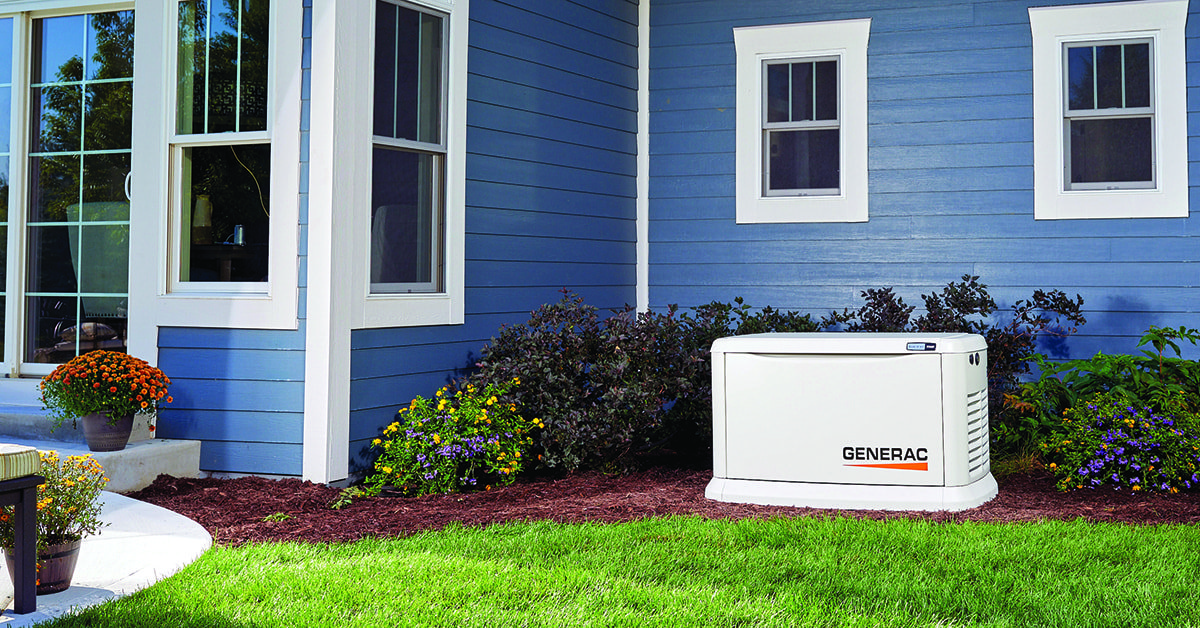
Home Standby Generators: The "Set-It-and-Forget-It" Solution
Definition: These are permanently installed outdoors, much like an AC unit, and are designed to activate automatically during a power outage.
Features:
- Automatic Operation: A sensor detects power loss, starts the generator engine, and a transfer switch safely disconnects your home from the utility grid, then connects it to the generator. All within seconds, without you lifting a finger.
- High Power Output: Standby generators boast the highest power output, capable of supporting multiple large appliances simultaneously, often powering an entire home.
- Fuel-Efficient: They typically run on natural gas or propane, connecting directly to your home's existing fuel line. This makes them highly efficient and reliable for long-term use, eliminating the need for manual refueling during an extended outage.
Pros: - Starts automatically, even when you're away.
- Highest capacity, can power entire homes, including HVAC.
- Connects to existing fuel source (natural gas/propane).
- Runs for extended periods without refueling.
Cons: - Requires professional installation (electrical, gas line).
- Higher upfront cost and ongoing professional maintenance.
- Not portable.
Portable Generators: Versatility on Wheels
Definition: As their name suggests, these are movable units ideal for temporary power needs. They're smaller, easier to store, and perfect for situations where power is needed in different locations.
Pros:
- Affordable: Generally the most budget-friendly option.
- Easy to Store: Compact enough for a garage or shed.
- Versatile: Excellent for job sites, camping, RVs, tailgating, or powering essential appliances during short home outages.
- Fuel: Primarily run on gasoline or diesel, offering flexibility for refueling.
Cons: - Lower Power Output: While some large portable units can approach standby capacity, most have lower output.
- Manual Operation: Requires manual startup and refueling.
- Noise: Can be quite loud compared to inverter or solar generators.
Critical Safety Note: Portable generators must always be run outdoors in a well-ventilated area. Place them at least 20 feet away from windows, doors, and vents to prevent deadly carbon monoxide (CO) gas from entering your home. Never run one in a garage, basement, or any enclosed space, even with the door open. CO is colorless, odorless, and lethal.
Inverter Generators: Quiet Power for Sensitive Electronics
Purpose: These are the go-to choice for powering sensitive electronics like laptops, smartphones, TVs, and medical devices. They produce "clean and stable power" comparable to what you get from a wall outlet.
How they work: Unlike traditional generators that produce raw AC power, inverter generators convert AC power to DC, then "invert" it back to clean AC power, resulting in a stable sine wave.
Pros:
- Clean Power: Safely power all your sensitive electronics.
- Quiet Operation: Significantly quieter than traditional portable generators, often with sound-dampening features.
- Lightweight & Compact: Easier to transport and store.
- Fuel Efficient: Often adjust engine speed to match power demand, saving fuel.
- Parallel Capability: Many models allow you to connect two inverter generators together for increased power output.
Cons: - Lower Output: Typically have less power than traditional portable or standby generators, making them less suitable for multiple high-energy appliances (like central AC).
- Cost: Generally more expensive than conventional portable generators of similar wattage.
- Fuel-Powered: Still require fuel and must be operated outdoors with extension cords running indoors.
Solar Generators: The Silent, Eco-Friendly Choice
Definition: These units capture energy from the sun via solar panels and store it in a built-in battery for later use. They operate quietly and produce no fumes.
Pros:
- Quiet & Emission-Free: Operate silently with no harmful emissions, making them safe for indoor use (the battery component, not the panels).
- Sustainable: Recharge using sunlight, reducing reliance on fossil fuels.
- Clean Power: Often include a built-in battery management system (BMS) to ensure clean and safe power for electronics.
- Low Maintenance: Fewer moving parts than fuel-powered generators.
Cons: - Higher Upfront Cost: Can be a significant initial investment.
- Limited Power Output: Not ideal for high-energy appliances or whole-home backup.
- Slow Recharging: Recharging time is dependent on sunlight, making them slower, especially in cloudy conditions or at night.
- Battery Degradation: Batteries have a finite lifespan and capacity decreases over time.
The Crucial Calculation: Sizing Your Generator Right
This is perhaps the most important step in choosing your generator. Undersizing can lead to frustrating power limitations and damage to the generator or appliances, while oversizing means you're paying for power you don't need.
Home Depot's experts can help you assess this, but here's how to do it yourself:
Step 1: Make a List of Appliances
Grab a pen and paper. List every essential appliance and device you absolutely need to power during an outage. This might include:
- Refrigerator/Freezer
- HVAC fan (if not powering the entire unit)
- Sump pump
- Lights (specific rooms)
- Medical equipment (CPAP, oxygen concentrator)
- Television, laptop, phone chargers
- Microwave
- Water heater (if electric – this is a big draw)
- Well pump
Step 2: Check the Wattage
Most appliances have a label indicating their wattage requirements. Look for two numbers:
- Running Watts (Rated/Continuous Watts): This is the steady power an appliance needs to operate continuously.
- Starting Watts (Surge/Peak Watts): Many motor-driven appliances (refrigerators, freezers, air conditioners, well pumps, power tools) require a brief, higher burst of power to start up. This "surge" can be 2-3 times their running wattage.
Pro Tip: If you can't find wattage on the label, look for amperage (A) and voltage (V). Wattage = Amperage × Voltage. For 120V appliances, 10 amps = 1200 watts.
Step 3: Add Up the Total Wattage
Here's how to calculate your minimum required generator size:
- Add up the running watts of all the appliances on your list. This gives you your baseline continuous power demand.
- Identify the single appliance with the highest starting watts on your list. You only need to account for one starting surge at a time, as it's unlikely all motor-driven appliances will start simultaneously.
- Add the total running watts to the highest single starting watts. This sum is your estimated minimum generator wattage.
Example Calculation:
Let's say your essential appliances have the following wattages:
- Refrigerator: 600 running watts / 1,800 starting watts
- Sump Pump: 800 running watts / 2,400 starting watts
- Lights (total): 500 running watts
- TV: 200 running watts
- Laptop: 100 running watts
- Microwave: 1,000 running watts
- Total Running Watts: 600 + 800 + 500 + 200 + 100 + 1,000 = 3,200 running watts
- Highest Starting Watts: Sump Pump at 2,400 starting watts (vs. Refrigerator at 1,800)
- Estimated Generator Size: 3,200 (running) + 2,400 (highest starting) = 5,600 watts
Actionable Insight: Always choose a generator with at least 10-20% more watts than your calculated needs. This buffer ensures smooth operation, prevents overloading, and extends the generator's lifespan. So, for our example, you'd look for a generator rated for at least 6,160 to 6,720 watts.
General Home Size Wattage Estimates:
- Small Home/Apartment (up to 1,500 sq ft): 5,000-7,500+ watts to power essential circuits.
- Medium Home (1,500-2,000 sq ft): 7,500-10,000+ watts for more comprehensive coverage.
- Larger Homes (over 2,000 sq ft): Often require over 10,000 watts, potentially needing a standby generator for whole-home power.
Most homes needing to power essential systems will comfortably fall within the 5,000-10,000 watt range.
Beyond Watts: Other Essential Considerations When Comparing Home Generators
Once you have a clear idea of your wattage needs and preferred generator type, a few other factors will help you refine your choice.
Generator Fuel Types and Efficiency
The type of fuel your generator uses impacts its efficiency, storage, and availability.
- Gasoline: The most common and widely available fuel. Easy to find at any gas station. However, gasoline has a relatively short shelf life (3-6 months) and can degrade if not stored properly or treated with a fuel stabilizer.
- Diesel: Known for its longer shelf life than gasoline and higher fuel efficiency, especially for long-term use. Diesel generators are often more robust and durable. However, diesel can be more expensive, less readily available in some areas, and produces more emissions than propane.
- Propane (LP Gas): Offers a clean-burning option with a very stable storage life—it won't degrade over time. Propane tanks are also safer to store than gasoline. The downside is that you might need larger tanks to ensure extended run times, and it can be less energy-dense than gasoline or diesel. Many dual-fuel generators run on both gasoline and propane, offering excellent versatility.
- Hydrogen-Blend (Coming Soon - 2025): The future is already knocking. New contenders are emerging, such as hydrogen-blend compatible generators expected in 2025. These offer a promising 45% lower emissions than propane, feature convenient 30-minute cartridge swaps, and will be compatible with upcoming H2Go exchange programs, making them a highly sustainable and convenient option.
Noise Levels
Generators can be noisy, and this is a significant factor, especially in residential areas or at campsites. Noise levels are measured in decibels (dBA).
- Portable generators: Can range from 65-85 dBA (comparable to a vacuum cleaner or a busy street).
- Inverter generators: Often much quieter, ranging from 50-65 dBA (like normal conversation or a dishwasher).
- Standby generators: Often have sound-dampening enclosures, bringing them down to 60-75 dBA.
Check local noise ordinances. Look for models with sound-dampening features. When operating, place your generator on a stable, level surface as far away from windows and doors as possible.
Costs
The "cost" of a generator isn't just its purchase price.
- Initial Purchase Price: Portable generators are generally the least expensive, followed by inverter generators, with home standby generators being the largest upfront investment due to the unit itself and professional installation.
- Fuel Costs: Consider the ongoing expense of fuel, especially during an extended outage.
- Maintenance: Standby generators require annual professional servicing to ensure reliability and warranty compliance. Portable and inverter generators need regular oil changes, spark plug checks, and air filter replacements.
When exploring your options, remember to factor in the total cost of ownership. You can easily find the latest models and compare features on Home Depot's website. Explore Home Depot generators and filter by type, wattage, and fuel.
Operating Your Generator Safely: A Non-Negotiable Guide
No matter which generator you choose, safety is paramount. Overlooking safety precautions can lead to serious injury or death.
- Always Follow Manufacturer's Instructions: This is your primary guide for safe operation, maintenance, and troubleshooting.
- Outdoor Use ONLY (Fuel-Powered): Never run a gasoline, diesel, or propane generator indoors, in a garage, basement, or any partially enclosed area. Carbon monoxide is a silent killer. Position the generator at least 20 feet away from your home, directed away from windows, doors, and vents. Install battery-operated carbon monoxide detectors with alarms in your home.
- Proper Ventilation for Solar Generators: While the battery component of solar generators is safe indoors, ensure the charging unit and panels are in a well-ventilated area to prevent overheating during charging. Store batteries away from extreme temperatures.
- Never Overload the Generator: Exceeding the generator's wattage capacity can cause excessive heat buildup, damage to the generator or connected appliances, and create a fire hazard. Use the wattage calculation method above to avoid this.
- Keep it Dry: Protect your generator from rain, snow, and wet conditions using a protective cover, but ensure it still has ample ventilation. Never operate it while standing in water.
- Refueling Safety: Turn off the generator and allow it to cool completely before refueling. Gasoline and diesel are highly flammable.
- Proper Connections: Use heavy-duty, outdoor-rated extension cords that are sufficiently long and rated for the load. Never "backfeed" power into your home's electrical system by plugging the generator directly into a wall outlet, as this can electrocute utility workers. For hardwired appliances, a professional must install a transfer switch.
Prepping Your Generator for Winter (Especially if You're Up North)
For homeowners in colder climates, preparing your generator for winter is crucial for reliable operation when you need it most.
- Fuel & Oil Check: Ensure fuel levels are adequate. For gasoline units, add a fuel stabilizer to prevent degradation if storing for extended periods. Check your oil levels and consider using a synthetic oil formulated for cold weather.
- Freezing Protection: Use an insulated cover or a cold weather kit designed for your generator model. These often include battery warmers and carburetor heaters. If you have a portable unit, store it in a dry, sheltered area like a garage or shed (but remember to move it outdoors for operation).
- Battery Inspection: For electric-start generators, inspect the battery terminals for corrosion, clean them if necessary, and ensure the battery is fully charged. In extreme cold, a battery blanket or trickle charger can keep the battery warm and ready.
- Regular Test Runs: Schedule regular test runs, especially during the colder months. This ensures the generator starts reliably and keeps fluids circulating. Follow the manufacturer's recommended test schedule.
- Clear Debris: If you have a standby generator, make sure to clear snow and ice around it for proper ventilation and exhaust flow. Never allow snow to accumulate and block exhaust vents.
The Future is Now: AI & Smart Generators (What to Expect by 2025)
The generator market is undergoing a quiet revolution, transforming from purely mechanical workhorses into intelligent, connected power solutions. The context research shows that a remarkable 78% of new models hitting the market are expected to feature IoT connectivity and AI-powered load management by 2025. This isn't just about bells and whistles; it's about making backup power more efficient, safer, and easier to manage.
Emerging Technologies You'll See at Home Depot:
- Smart Hybrid Generators: Imagine a generator that automatically switches between solar/battery power and a traditional fuel source (like propane or natural gas) based on demand, solar availability, and fuel levels. This intelligent optimization means greater efficiency and less reliance on a single fuel type.
- AI Safety Guardians: The biggest safety leap is AI-powered carbon monoxide detection. These generators will automatically shut down if CO levels become dangerous, significantly reducing risk.
- Modular Power Systems: Think of stackable, interconnected units that automatically synchronize to provide scaled power. Need more power? Add another module. This offers incredible flexibility and redundancy.
Home Depot's Role in This Smart Revolution:
Home Depot is actively integrating these advancements to help you make smarter choices:
- AI Power Advisor: By 2025, Home Depot's virtual or in-store AI advisors will be able to calculate your exact wattage needs with unprecedented precision. This isn't just a simple sum; it considers appliance start-up surges (e.g., a 2025 Samsung refrigerator might need 2,200W to start, 35% more than older models), your typical usage patterns, and even adapts to local weather conditions.
- Compliance Checker: A virtual assistant can confirm local ordinances, HOA requirements, and insurance documentation needs for generator installation, streamlining what can often be a complex process.
- AI Generator Kiosk & Reelmind: Expect immersive experiences. Home Depot's AI Generator Kiosks will offer personalized analysis, while visual AI platforms like Reelmind will provide immersive simulations and maintenance guidance, letting you "see" the generator in your space before you buy.
Must-Have AI Integrations by 2025:
When you're comparing newer models, look for these intelligent features:
- GridSense Technology: This innovation automatically detects when utility power returns and intelligently reduces the generator's output, preparing for a smooth, fuel-saving shutdown.
- Predictive Maintenance: These smart generators will analyze engine sounds and performance data to warn you of potential issues 72+ hours in advance, giving you ample time for servicing before a breakdown.
- Theft Protection: Advanced security features, potentially including facial recognition, will ensure "owner-only" operation, deterring theft.
AI-Powered Safety Breakthroughs:
The future of generator safety is incredibly promising:
- Auto-Shutdown Geofencing: Imagine a generator that automatically disables itself if moved beyond your property boundaries, adding an extra layer of security.
- Exhaust AI: This technology detects wind direction and automatically redirects exhaust fumes away from your home or neighboring structures.
- Child/Pet Recognition: Sensors will detect movement near hot surfaces and issue alerts, preventing accidental burns.
These innovations highlight a commitment to making generators not just powerful, but also remarkably safe and user-friendly.
Your Next Steps: Making an Informed Decision
Choosing a generator at Home Depot doesn't have to be overwhelming. You now have a robust framework to guide your decision: assess your power needs, understand the different types, accurately calculate your wattage, and consider other critical factors like fuel and noise.
- Consult a Professional: For complex installations, especially home standby generators and transfer switches, always consult a professional generator installer. They can provide precise wattage assessments and ensure safe, compliant installation. Home Depot can often connect you with trusted local installers.
- Leverage Home Depot's Tools: Utilize the resources available, whether it's an in-store associate who can walk you through options or, in the near future, advanced digital tools like the AI Power Advisor and Reelmind for personalized analysis and immersive simulations.
- Prioritize Safety: No feature is more important than safe operation. Re-read the safety guidelines and commit to following them every time you use your generator.
With the right generator, you're not just buying a machine; you're investing in peace of mind, comfort, and safety for your home and family.