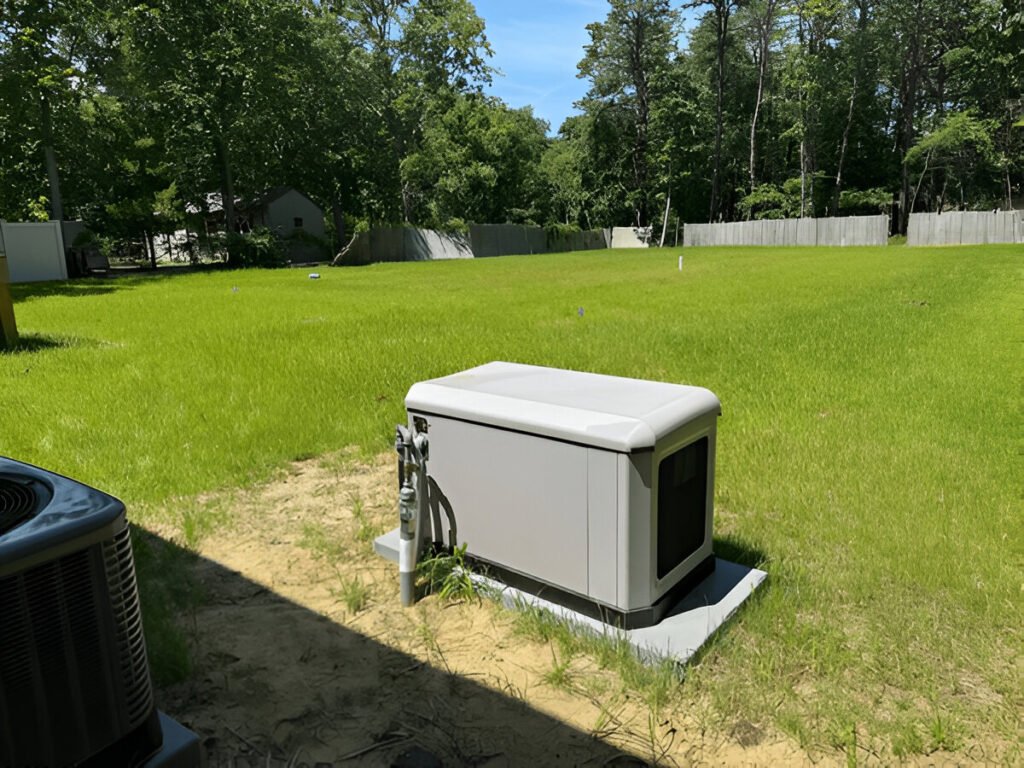
When the lights go out, a reliable home generator isn't just a convenience—it's a critical lifeline. But the promise of uninterrupted power hinges entirely on one crucial factor: proper Generator Installation & Setup Guides. This isn't a task to approach lightly; mishandling a generator's electrical and fuel connections can turn a safety net into a serious hazard.
Whether you're eyeing a portable unit for emergency essentials or a whole-home standby system, understanding the installation process is your first step toward true peace of mind. This guide will walk you through everything you need to know, from choosing the right generator to the nitty-gritty of professional setup and ongoing maintenance, ensuring your backup power solution is safe, compliant, and ready when you need it most.
At a Glance: Your Generator Installation Checklist
- Safety First: Improper installation risks electrical shock, fire, and carbon monoxide poisoning. Always prioritize safety.
- DIY vs. Pro: Simple portable generators (extension cords) can be DIY. Standby generators always require professional installation due to complex electrical and fuel system integration, permits, and code compliance.
- Location Matters: Generators need level, well-ventilated outdoor spots, away from doors/windows/vents, and accessible for maintenance.
- Permits Are Key: Standby generators often require electrical, fuel, and zoning permits, plus inspections. Professionals handle this.
- Transfer Switch Essential: Prevents dangerous backfeeding into the utility grid, a non-negotiable safety feature.
- Fuel System: Connects to natural gas, propane, or diesel; requires professional setup with appropriate valves and regulators.
- Sizing is Crucial: Match generator wattage to your specific power needs, accounting for surge loads.
- Ongoing Maintenance: Regular service, fuel checks, and monthly testing ensure readiness and extend lifespan.
Why You Can't Afford to Get Generator Installation Wrong
Think of your home's electrical and fuel systems as intricate, high-stakes networks. When you introduce a generator, you're tapping into these critical pathways. Any misstep here isn't just an inconvenience; it can have severe, even fatal, consequences.
The Peril of Improper Wiring and Backfeeding: One of the gravest dangers is "backfeeding"—sending electricity from your generator into the utility grid. If this happens while utility workers are trying to restore power, it can electrocute them. At home, improper wiring risks overloaded circuits, appliance damage, or even electrical fires. The National Electrical Code (NEC) exists for a reason, establishing stringent standards to prevent these very scenarios.
The Silent Killer: Carbon Monoxide: Generators emit carbon monoxide (CO), an odorless, colorless gas that is deadly. Operating a generator in an enclosed space, even a partially open garage, can quickly lead to lethal CO levels. Proper placement—always outdoors and a safe distance from your home's openings—is not just recommended; it's mandatory.
Beyond Safety: Legal, Financial, and Functional Repercussions:
- Code Compliance: Local building and electrical codes, often based on the NEC, dictate how generators must be installed. Ignoring these can lead to fines, forced removal, or difficulties with insurance.
- Manufacturer Warranties: Many generator warranties are voided if the unit isn't installed by a certified professional according to manufacturer specifications.
- Permits and Inspections: Major electrical or fuel system modifications almost always require permits and subsequent inspections. These aren't bureaucratic hurdles; they're vital checks to ensure safety and compliance.
- Reliability: An improperly installed generator might not work when you need it most, defeating its entire purpose. Safety features like transfer switches and shut-off valves must be correctly integrated to function effectively.
DIY vs. Professional Generator Installation: Where Do You Stand?
The line between a safe DIY project and a mandatory professional job is clear when it comes to generators. Knowing which side of that line your project falls on is paramount.
Portable Power: The DIY Sweet Spot
If your goal is to power a few essential appliances with a smaller, portable generator, you might be able to handle the setup yourself.
When DIY is (Potentially) Okay:
- Extension Cord Connection: The simplest scenario involves running heavy-duty outdoor-rated extension cords directly from the generator to individual appliances (e.g., refrigerator, lamp, phone charger). Ensure cords are rated for the load and are in good condition.
- Pre-Installed Manual Transfer Switch: If you already have a manual transfer switch professionally installed in your home, connecting a portable generator to it can be a DIY task. This involves plugging the generator into an outdoor inlet box, then flipping the transfer switch manually to select generator power. Crucially, this assumes the transfer switch and inlet were already installed by an electrician and your main electrical panel is not being directly modified.
Key Limitations for DIY Portable Setup: - No Direct Wiring: You should never attempt to hardwire a portable generator directly into your home's main electrical panel.
- No Fuel Line Modifications: If your portable generator uses natural gas or propane, do not attempt to modify or extend existing fuel lines yourself.
- Power Constraints: Portable generators have limited output. You can only power a select few items, and you must carefully manage the load to avoid overloading the generator.
Standby & Complex Setups: When to Call the Pros
For whole-home standby generators, larger portable units that connect directly to your home's electrical system, or any installation involving permanent fuel lines, professional assistance is not just recommended—it's typically required by law and manufacturer warranty. This is where expertise in high-voltage wiring, fuel system integration, and code compliance becomes non-negotiable.
Professional Installation is Required For:
- Whole-Home Standby Generators: These are designed to automatically kick in when utility power fails, providing seamless power to your entire home or a selected set of circuits.
- Automatic Transfer Switches (ATS): An ATS automatically detects power outages and switches your home's power source from the utility to the generator, and back again when utility power returns.
- Direct Wiring to the Electrical Panel: Any project that involves connecting the generator's electrical output directly into your home's main electrical panel, rather than through simple extension cords.
- Modifying Fuel Lines: Connecting a generator to your home's natural gas line or installing a large, permanent propane tank involves complex fuel system work that requires specialized plumbing and gas fitting skills.
- Permits and Compliance: If your project requires electrical, fuel, or zoning permits and subsequent inspections, it's a clear signal that professional expertise is needed.
Why Professionals Are Indispensable: - Expertise: They understand electrical loads, wiring diagrams, fuel system pressure, and safe installation practices.
- Code Compliance: They ensure your installation meets all local and national electrical and building codes.
- Safety: Professionals minimize risks of electrical shock, fire, and carbon monoxide poisoning through proper grounding, wiring, and placement.
- Warranty Protection: Many manufacturers mandate professional installation to maintain your generator's warranty.
- Peace of Mind: You know the job is done right, safely, and legally.
Choosing the Right Generator for Your Home
Before you even think about installation, you need the right generator. This involves two primary considerations: what fuel source works best for you and how much power you actually need. For a deeper dive into generator selection, you might find Your Home Depot Generator Guide particularly useful.
Fueling Your Backup: Natural Gas, Propane, Diesel, or Solar?
Each fuel type has its pros and cons, impacting convenience, cost, and maintenance.
- Natural Gas (NG):
- Pros: Continuous supply (no refueling), generally cleaner burning than diesel.
- Cons: Requires an existing natural gas line connection, which can be expensive to install if not readily available. Pressure can drop during widespread outages.
- Best For: Homes with existing natural gas service, seeking hands-off, long-term backup power.
- Propane (LP):
- Pros: Clean-burning, easily stored in tanks (above or underground), relatively long shelf life.
- Cons: Requires on-site storage tanks, which need to be refilled. Cost can fluctuate. Tank size dictates run time.
- Best For: Homes without natural gas, needing a reliable, cleaner-burning fuel source with on-site storage.
- Diesel:
- Pros: Highly fuel-efficient, good for long run times, easy to store (though requires specific precautions). Diesel engines are generally very robust.
- Cons: Requires on-site storage tank, fuel can "gel" in cold weather (needs additives), emissions are higher, and fuel needs regular conditioning to prevent degradation.
- Best For: Large homes, commercial applications, or those prioritizing efficiency and long run times.
- Solar:
- Pros: Eco-friendly, silent operation, no fuel costs after initial setup.
- Cons: Less power output than traditional generators, heavily reliant on sunlight, requires battery storage, higher upfront cost. Not ideal for continuous, high-demand backup during extended outages or at night without sufficient battery banks.
- Best For: Supplemental power, off-grid living with lower power needs, or those prioritizing sustainability.
Sizing It Up: How Much Power Do You Really Need?
Undersizing your generator leaves you powerless, while oversizing wastes money. The goal is to match the generator's output (in Watts) to your home's essential electrical load.
Here's how to calculate your needs:
- List Essential Appliances: Walk through your home and list every appliance, light, and system you absolutely cannot do without during an outage (e.g., refrigerator, freezer, well pump, furnace blower, select lights, TV, computer, medical equipment).
- Find the Wattage: For each item, look for a label that lists its wattage (W). If only Amps (A) and Volts (V) are listed, calculate Watts:
Watts = Amps × Volts. Note that motor-driven appliances (refrigerators, pumps, HVAC) have a much higher "surge" or "starting" wattage for a few seconds when they first turn on, then settle into a lower "running" wattage. - Sum Running Watts: Add up the running watts of all your essential items.
- Account for Surge Watts: Identify the single largest surge wattage among your motor-driven appliances. Add this to your total running watts (do NOT add all surge watts, as appliances rarely start simultaneously). This gives you a rough estimate of the peak power your generator needs to handle.
- Apply the 80% Rule: To ensure your generator isn't constantly running at its maximum capacity, aim for a generator that can handle at least 80% of your calculated total peak wattage. This provides a safety margin and extends the generator's lifespan.
Typical Whole-Home Generator Output: Standby generators commonly range from 5,000 Watts (for very basic essential circuits) to 22,000 Watts (for more comprehensive whole-home coverage), and even larger for very large homes or commercial properties.
The Professional Generator Installation Journey: Step-by-Step
Installing a whole-home standby generator is a multi-stage, complex process best left to certified professionals. Here's a look at what that journey entails:
1. Getting Started: Site Assessment & Permitting
This is where the planning phase truly begins. A qualified installer will visit your home to:
- Assess Electrical Capacity: Determine your home's current electrical service and how the generator will integrate.
- Evaluate Fuel Options: Confirm the availability of natural gas or determine the best location for a propane or diesel tank.
- Optimal Location Scouting: Identify the safest, most practical spot for the generator unit itself, considering all clearances and accessibility.
- Permit Acquisition: This is crucial. Professionals will handle obtaining all necessary permits—electrical, fuel (gas/propane), zoning, and potentially HOA approvals. This ensures the installation is legal and compliant with local regulations.
2. Finding the Perfect Spot: Location & Clearances
The generator's location is critical for safety, efficiency, and maintenance.
- Stable & Level: The generator must sit on a stable, level surface, typically a concrete pad or a compacted gravel base, to prevent vibrations and settling.
- Well-Ventilated: Ample airflow is essential for cooling the unit and dispersing exhaust fumes.
- Minimum Clearances:
- 5 feet from any doors, windows, or vents to prevent carbon monoxide from entering your home.
- 18 inches from any walls or structures for proper air circulation and maintenance access.
- Ensure easy access for routine maintenance, oil changes, and future repairs.
- Noise Considerations: While not a code requirement, consider proximity to bedrooms or neighbors to minimize noise impact.
3. Building the Foundation: Site Preparation
Once the location is chosen, the site needs to be prepped.
- Ground Leveling: The area will be leveled and compacted.
- Generator Pad Installation: A concrete pad or robust gravel base will be installed to provide a stable foundation.
- Drainage: Ensuring proper drainage around the generator is vital to prevent water accumulation, which can damage the unit or its electrical components.
4. Making the Connection: Electrical Integration & Transfer Switches
This is the heart of the electrical setup, connecting the generator to your home's power system safely.
- Transfer Switch Installation: A manual or automatic transfer switch is installed. The automatic transfer switch (ATS) is standard for standby generators, sensing power outages and seamlessly switching between utility and generator power. This switch is the critical safeguard against backfeeding.
- Wiring Runs: Electrical wiring is run from the generator to the transfer switch, and then from the transfer switch to your main electrical panel.
- Circuit Connection: Depending on whether you opted for whole-home coverage or essential circuit coverage, specific circuits in your electrical panel are connected to the transfer switch.
5. Powering Up: Fuel System Setup
Connecting the generator to its permanent fuel source is another specialized task.
- Natural Gas: A dedicated natural gas line will be run from your utility connection to the generator, including appropriate shut-off valves and regulators to ensure safe and consistent fuel delivery.
- Propane: If using propane, a secure storage tank (either above or underground) will be installed, complete with regulators, shut-off valves, and fuel lines connecting to the generator.
- Diesel: For diesel units, a secure, filtered diesel tank will be installed, along with fuel lines. In colder climates, cold weather treatments (like fuel heaters or anti-gel additives) may be integrated.
6. The Final Check: Testing & Inspection
Once all physical installations are complete, rigorous testing begins.
- System Startup: The generator is started for the first time.
- Load Testing: The installer will test the generator under load (simulating an outage) to verify it operates correctly, handles the home's essential circuits, and all safety devices (e.g., automatic shutdown for low oil) function as designed.
- Final Inspection: The local authorities will perform a final inspection to ensure the entire installation meets all applicable electrical, fuel, and building codes. Only after this approval is the installation considered complete and fully compliant.
Safety First: Non-Negotiable Rules for Generator Operation
Even after professional installation, ongoing vigilance is key to safe generator use.
Outsmarting Carbon Monoxide: Location is Everything
This cannot be stressed enough: Always operate generators outdoors, far away from your home.
- Minimum 5 Feet: Generators must be placed at least 5 feet (and ideally further) from any doors, windows, or vents to prevent exhaust fumes from entering your home.
- Never Indoors: Never operate a generator in an attached garage, basement, crawl space, or any other enclosed or partially enclosed area, even with doors or windows open.
- CO Detectors: Install battery-operated carbon monoxide detectors inside your home, especially near sleeping areas, and check their batteries regularly.
Taming the Watts: Electrical Grounding & Overload Prevention
Electrical safety is paramount.
- Proper Grounding: Ensure your generator is properly grounded according to National Electrical Code (NEC) requirements to prevent electrical shock. Your professional installer will ensure this is done correctly.
- Transfer Switch Protection: The transfer switch is your primary defense against backfeeding power into the utility grid, which can electrocute utility workers. Never bypass it.
- Avoid Overloading: Do not connect more appliances than your generator is rated to handle. Overloading can damage the generator and connected appliances, and poses a fire risk. Monitor your load and prioritize essential items.
Fueling Safely: Storage & Handling
Fuel is flammable and must be handled with care.
- Approved Containers: Store gasoline and diesel in approved, clearly labeled containers specifically designed for fuel, away from living areas and heat sources.
- Propane Tank Placement: Keep propane tanks upright in well-ventilated outdoor areas, away from ignition sources.
- Inspect for Leaks: Regularly inspect fuel lines and connections for any signs of leaks. Address any leaks immediately.
Battling the Elements: Weather Protection
While many standby generators come in weatherproof enclosures, portable units often need extra care.
- Weatherproof Enclosures: If you use a portable generator, consider a weatherproof enclosure or canopy designed to protect it from rain, snow, and extreme sun while allowing proper ventilation. Never operate a generator directly in the rain or snow without adequate protection.
- Stable Surface: Ensure the generator is always on a firm, level surface, even during adverse weather, to prevent tipping.
Understanding Generator Installation Costs & Timeline
Investing in a whole-home generator is a significant decision, and understanding the costs involved helps you budget wisely. Prices can vary widely based on generator size, fuel type, regional labor rates, and the complexity of your home's electrical and fuel systems.
Breaking Down the Price Tag: What to Expect
Here's an estimated breakdown of costs for a typical whole-home standby generator installation:
- Generator Unit (the machine itself):
- 8-14 kW: $3,000 - $4,500
- 16-22 kW: $4,500 - $6,500
- 24 kW+ (larger homes/needs): $6,500 - $12,000+
- Automatic Transfer Switch (ATS):
- Typically $500 - $1,200 (cost is in addition to the generator unit).
- Installation Labor:
- This is often the most variable component, ranging from $1,800 - $5,500+, depending on site complexity, trenching needed for electrical/fuel lines, and electrical panel upgrades.
- Fuel Tank Installation (for Propane/Diesel):
- $600 - $3,500, depending on tank size, whether it's above or underground, and line extensions. Natural gas connections might incur separate utility fees or line extension costs.
- Permits & Inspections:
- $100 - $500, covering electrical, fuel, and zoning permits, and the final inspection fees.
Total Estimated Cost for a Whole-Home Standby System: Most homeowners can expect to pay between $8,500 - $23,000 for a professionally installed whole-home standby generator. Complex installations involving extensive trenching, gas line extensions, or significant electrical panel upgrades can push the total cost beyond $25,000.
Ongoing Annual Maintenance: After installation, budget $150 - $450 annually for routine professional maintenance, which is crucial for reliability and warranty validation.
How Long Will It Take?
The physical installation process for a whole-home standby generator typically takes one to three days. However, this doesn't include the planning, permitting, and scheduling phases. The entire process from initial site assessment to final inspection approval can take several weeks, especially if gas line extensions or extensive trenching are required, or if local permit offices have lengthy review times.
Partnering with the Pros: What to Look For in a Generator Installer
Choosing the right installer is as important as choosing the right generator. A reputable professional ensures a safe, compliant, and reliable installation.
Credentials That Count: Licenses, Certifications, and Insurance
- Licenses: Look for contractors with valid electrical and, if applicable, plumbing/gas fitting licenses in your state or municipality. These ensure they meet minimum competency standards.
- Certifications: Many generator manufacturers offer specific training and certifications for their products. An installer certified by your chosen generator brand demonstrates specialized expertise.
- Experience: Ask about their experience with various generator types (standby, portable) and fuel sources (natural gas, propane, diesel).
- Insurance: Verify they carry adequate liability insurance and worker's compensation. This protects you from financial responsibility in case of accidents or damage during installation.
- References & Reviews: Check online reviews (Google, Yelp, BBB) and ask for references from previous clients.
Asking the Right Questions Before You Hire
Don't be afraid to interview potential installers thoroughly. Here are key questions:
- "Based on my home and needs, what generator size and fuel type do you recommend, and why?"
- "Will my current electrical system require any upgrades to accommodate the generator?"
- "What type of transfer switch do you recommend, and why is it best for my setup?"
- "Are there any specific local codes or HOA rules that will impact the installation?"
- "Who is responsible for obtaining all necessary permits and scheduling inspections?" (A professional should handle this entirely).
- "Can you provide a detailed, itemized written quote that includes the generator, transfer switch, labor, materials, permits, and any potential unforeseen costs?"
- "What is your estimated timeline for the entire project, from start to finish?"
- "What kind of warranty do you offer on your installation work, in addition to the manufacturer's generator warranty?"
After Installation: Maximizing Your Generator's Lifespan and Value
Your generator is installed, tested, and ready. Now, ensuring it stays that way requires ongoing care.
The Importance of Ongoing Maintenance
Think of your generator like your car; it needs regular tune-ups.
- Annual Professional Maintenance: Schedule annual service with a qualified technician. They'll perform oil and filter changes, check spark plugs, inspect fuel lines, test the battery, and conduct a thorough system diagnostic. This is crucial for reliability and often a requirement to maintain your manufacturer's warranty.
- Keep It Clean: Keep the generator's exterior clear of debris, leaves, and snow to ensure proper airflow and prevent blockages.
Fuel Management Best Practices
- Fresh Fuel: For portable generators that use gasoline, use fuel stabilizers and rotate fuel regularly (don't let it sit for months). Keep tanks topped off (but not overflowing).
- Propane/Diesel Levels: For standby units, regularly check propane tank levels or diesel fuel levels to ensure you have an adequate supply for an extended outage. Consider automatic refill services for propane.
Monthly Exercise: Run Your Generator Under Load
- 10-15 Minutes Monthly: Most standby generators have an automatic exercise cycle, but it's good practice to manually run your generator under a small load for 10-15 minutes each month. This lubricates parts, keeps seals from drying out, and ensures the battery and automatic transfer switch are working correctly. It also helps you familiarize yourself with its operation.
Beyond Backup: The Added Value of a Standby Generator
A professionally installed standby generator offers benefits beyond just power during an outage:
- Increased Home Resale Value: A whole-home generator can increase your property's resale value by 3-5%, making it an attractive feature for potential buyers.
- Insurance Discounts: Some insurance providers offer discounts on homeowner's policies for homes equipped with standby generators, recognizing the reduced risk of food spoilage, burst pipes (due to heating loss), and other damage that can occur during extended outages.
- Uninterrupted Lifestyle: More importantly, it provides uninterrupted comfort, security, and the ability to continue daily life, work, and communication without disruption.
Ready to Power Through Anything? Your Next Steps.
You're now equipped with a comprehensive understanding of what goes into professional Generator Installation & Setup Guides. You know the critical safety considerations, the differences between DIY and professional projects, how to choose the right unit, what the installation process entails, and what to expect in terms of costs and maintenance.
The most important takeaway is this: for anything beyond a simple extension-cord-driven portable generator, always engage a qualified, licensed professional. Their expertise is the bedrock of a safe, reliable, and code-compliant backup power system.
Take the time to research, ask questions, and secure an installer you trust. With a properly installed and maintained generator, you won't just be ready for the next power outage—you'll be able to confidently weather any storm, knowing your home and family are protected.