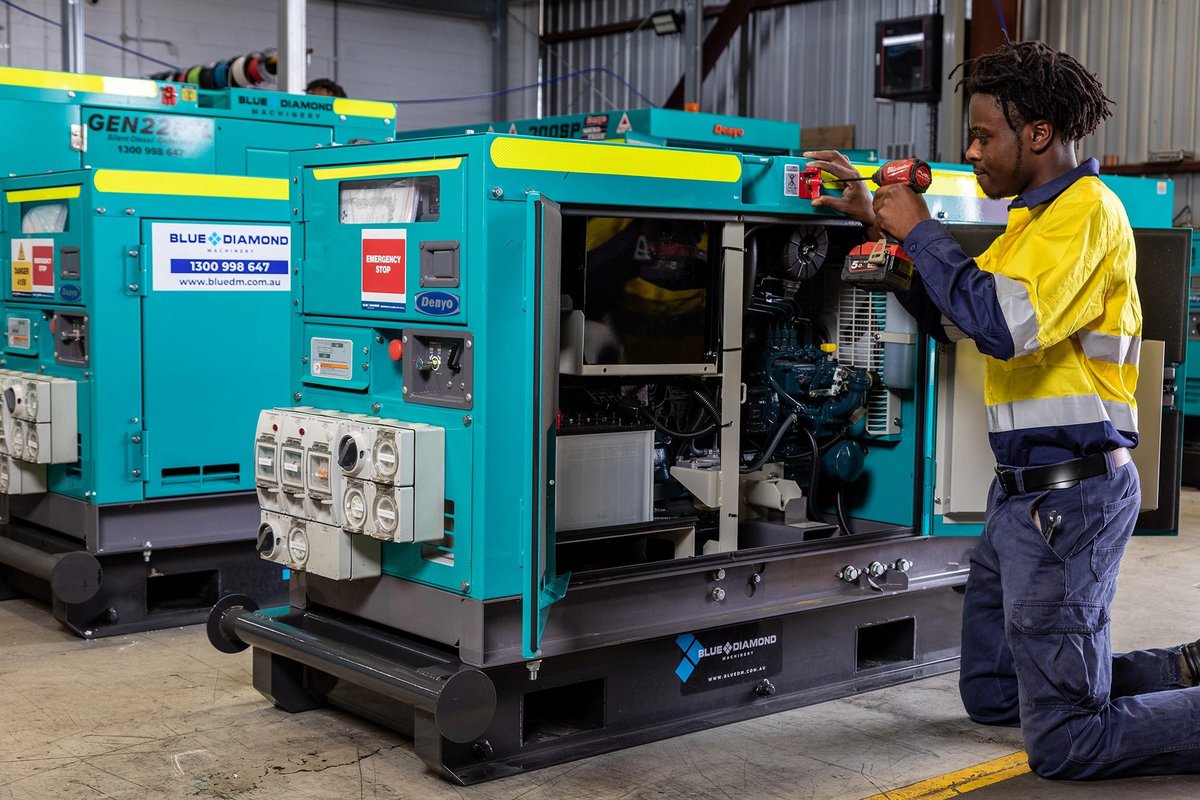
The lights flicker. The hum of the AC dies. Power’s out. In that moment, your backup generator isn't just a machine; it's peace of mind, a lifeline. But what happens when that lifeline sputters, struggles, or outright refuses to start? That's where proactive generator maintenance and smart troubleshooting come in. Just like any crucial appliance, your generator needs regular attention to ensure it's ready when you need it most. Skip it, and you're inviting costly repairs, frustrating outages, and even safety risks.
This guide isn't just about fixing things; it's about prevention, understanding, and empowering you to keep your generator humming smoothly.
At a Glance: Your Generator Power-Up Checklist
- Regular Exercise is Key: Run your generator monthly for 15-20 minutes, ideally under a light load, to keep components lubricated and ensure readiness.
- Fresh Fuel is a Must: Stale or contaminated fuel is the #1 culprit for small generator no-starts. Use fuel stabilizer or drain tanks for long-term storage.
- Battery Health Matters: A dead battery means a dead generator. Check terminals and charge periodically.
- Keep it Clean: Air filters, cooling fins, and the area around your generator should be free of debris.
- Trust Your Senses: Unusual noises, smells, or smoke are warning signs – don't ignore them.
- Manual is Your Map: Your owner's manual is invaluable for specific maintenance schedules and error codes.
- Pros are Priceless: While DIY is great for routine checks, professional annual service is often required for warranty and for complex diagnostics.
Why Your Generator Deserves TLC (and You Deserve Peace of Mind)
Think of your generator as a silent guardian, waiting in the wings. It’s an investment in comfort, safety, and security. Neglecting its upkeep isn't just risky; it's expensive. Regular maintenance prevents minor issues from escalating into major breakdowns, potentially saving you thousands in repair bills. It also extends the lifespan of your unit, ensuring it provides reliable power for years to come. In essence, caring for your generator isn't a chore; it's an intelligent decision that pays dividends in uninterrupted power when you need it most.
Decoding Generator Grumbles: Common Malfunctions and Their Roots
Before you can fix a problem, you need to understand what’s causing it. Generator issues often fall into a few predictable categories. Knowing these can help you diagnose problems more efficiently.
Fuel System Foibles: The Silent Killer of Starts
The fuel system is often the first place to look when a generator refuses to cooperate.
- Stale or Contaminated Fuel: Especially common in gasoline generators, fuel degrades over time, gumming up carburetors and fuel lines. Ethanol-blended fuels are particularly problematic, attracting water and causing corrosion.
- Insufficient Fuel: It sounds obvious, but easily overlooked.
- Clogged Fuel Lines or Filters: Debris, rust, or degraded fuel can restrict flow.
- Carburetor Issues: Blockages in tiny jets prevent proper fuel-air mixture.
Electrical Gremlins: When the Spark Isn't There
A generator needs a strong electrical pulse to start and generate power.
- Battery Degradation: A weak or dead battery is a primary cause of starting failure, especially in colder weather.
- Poor Electrical Connections: Loose or corroded terminals can prevent current flow.
- Faulty Spark Plugs: Fouled, damaged, or incorrectly gapped spark plugs won't ignite the fuel.
- Defective Ignition Coils: No spark, no start.
- Blown Fuses: Protect vital circuits, but can stop operation if they blow.
Mechanical Wear & Tear: The Slow Erosion of Performance
Over time, components wear out, leading to reduced efficiency or outright failure.
- Worn Brushes: In the alternator, brushes conduct electricity. If worn, power output drops.
- Damaged Alternators: The heart of power generation can fail, leading to no or low power.
- Motor Bearing Problems: Can cause unusual noises, friction, and eventual seizure.
- Valve Issues or Piston Problems: More severe internal engine damage that significantly impacts performance.
Environmental Factors: The Elements Strike Back
Your generator's surroundings play a significant role in its health.
- Improper Ventilation/Cooling: Overheating is a common issue if air vents are blocked or the cooling system fails.
- Excessive Load: Trying to power too many devices can overload the generator, causing it to shut down.
- Dusty/Humid Operating Conditions: Can clog filters, corrode electrical components, and ingress into engine parts.
- Rodent Damage: Critters chewing through wires or building nests can cause surprising and significant problems.
The Power Detective's Guide: A Systematic Troubleshooting Process
When your generator acts up, don't panic. Follow a methodical approach to pinpoint the problem.
1. Start with Your Eyes: The Visual Check
Before grabbing tools, take a thorough look.
- Fuel Levels: Is there enough fuel? Is the fuel valve open? For liquid-cooled models, check coolant levels.
- Battery Condition: Look for corrosion on terminals. Are cables securely connected?
- Wiring: Check for loose wires, frayed insulation, or signs of rodent damage.
- Filters: Are air filters visibly clogged?
- Physical Damage: Any obvious dents, leaks, or obstructions around the unit?
- Clearance: Ensure the required 3-foot clearance around the generator is maintained, free of debris.
2. Fuel First: Quality, Flow, & Carburetor Care
If visual checks don't reveal the issue, move to the fuel system.
- Check Fuel Quality: If the fuel smells stale or looks cloudy, drain it and refill with fresh, ethanol-free gasoline (for small generators) or clean diesel.
- Inspect/Replace Fuel Filters: A clogged filter can starve the engine.
- Clean the Carburetor: If the generator starts but runs rough, or won't start after sitting, the carburetor jets might be clogged. This can be a DIY task for some, but often requires a professional.
3. Sparking Life: Battery & Electrical Basics
Next, check the ignition system.
- Battery Voltage: Use a multimeter to check the battery voltage. A fully charged 12V battery should read around 12.6V or higher. If it's low, try charging it.
- Battery Terminals: Clean any corrosion from the terminals and ensure connections are tight.
- Spark Plugs: Remove the spark plug(s) and inspect them. Are they fouled, damaged, or wet? Clean or replace them, and ensure proper gap.
- Fuses: Check for blown fuses, usually located near the battery or control panel.
4. Breathing Easy: Air Filters & Cooling System
A generator needs proper airflow to run efficiently and prevent overheating.
- Air Filters: Clean or replace dirty air filters. A clogged filter chokes the engine.
- Cooling System: For liquid-cooled models, verify radiator fluid levels. Ensure cooling fins and fans are free of dust, debris, or blockages.
5. Right Sizing the Job: Load Conditions
Sometimes, the generator isn't faulty, but overloaded.
- Disconnect Non-Essential Devices: If the generator starts but quickly shuts down, or produces low power, disconnect high-draw appliances.
- Measure Output Power: Use a multimeter or clamp meter to check the generator's voltage and amperage output.
6. Read the Clues: Error Codes & Manuals
Modern generators have sophisticated diagnostic capabilities.
- Consult Diagnostic Codes: Many generators display error codes on their control panels. Look up these codes in your owner's manual.
- User Manual: This often contains specific troubleshooting steps for common issues unique to your model. For instance, manufacturers like Generac (via Mobile Link app), Kohler (OnCue Plus), Briggs & Stratton (InfoHub), and Cummins (Connect Cloud) provide digital access to manuals and diagnostics.
Proactive Power Play: Essential Routine Maintenance for Longevity
The best way to troubleshoot less is to maintain more. Routine care is your generator’s best friend.
Fuel System Habits: Keeping it Clean & Fresh
- Use Fresh, Ethanol-Free Fuel: For portable gasoline generators, always use fresh, high-octane, ethanol-free gasoline. Ethanol can cause significant damage to carburetors and fuel lines over time.
- Stabilize or Drain: If your generator will be idle for more than 30 days, add a fuel stabilizer or, even better, drain the fuel tank completely. Run the generator until it dies to clear the carburetor.
- Clean Carburetors Regularly: A professional cleaning every few years can prevent many starting issues.
Battery Health & Spark: Ensuring a Strong Start
- Charge Periodically: Generator batteries, especially in standby units, can slowly discharge. Use a trickle charger or ensure your unit's automatic charger is working.
- Inspect and Clean Terminals: Keep battery terminals free of corrosion. A wire brush and a baking soda/water solution work wonders.
- Replace Spark Plugs: Annually or after every 100 hours of running time, replace spark plugs. This ensures efficient combustion and easier starts.
- Secure Connections: Periodically check and tighten all electrical wiring connections, especially battery cables.
Clean Air, Cool Engine: Filters & Cooling
- Clear Air Vents: Keep air vents and cooling fins free of dust, leaves, and debris. This is crucial for preventing overheating.
- Replace Air Filters: Follow your manufacturer's recommended intervals (typically annually or every 100-200 hours). A clean air filter is essential for engine health.
- Monitor Coolant Levels: For liquid-cooled generators, regularly check coolant levels and add antifreeze as needed, especially before winter.
The "Exercise" Advantage: Monthly Run Tests
This is one of the most critical, yet often overlooked, maintenance tasks.
- Run Under Load: Operate your generator for 10-15 minutes monthly. For standby generators, a manual run test under a light load (by turning off your main utility power via the transfer switch) confirms the entire system — transfer switch included — is working. Many modern standby units have automatic weekly self-tests (e.g., Generac's 12-minute weekly test), but a manual test under load adds another layer of assurance.
- Lubrication: Running the engine circulates oil, lubricating seals and bearings, preventing them from drying out and seizing.
Your Generator Maintenance Calendar: What to Do When
Consistency is key. Here's a practical schedule to keep your generator in top shape.
Monthly Tune-Ups (15-20 Minutes, Primarily DIY)
These quick checks can prevent about 70% of common generator problems.
- Run Test: Operate your generator for 10-15 minutes. For standby models, engage a manual transfer to run it under load to confirm full system functionality.
- Visual Inspection: Walk around the unit. Check for fluid leaks (oil, coolant, fuel), loose wires, signs of rodent activity, or any obvious physical damage.
- Fluid Levels: Check engine oil (for all models) and coolant levels (for liquid-cooled units). Top off as needed.
- Fuel Level: Ensure propane or diesel tanks are adequately filled, or that the natural gas valve is fully open.
- Debris Removal: Clear away any leaves, grass clippings, snow, or other debris from around the unit, maintaining the recommended 3-foot clearance.
- Battery Connections: Verify battery connections are tight and free of corrosion.
Annual Deep Dive: When Pros Step In (and Why)
While you can handle monthly checks, most manufacturers recommend (and often require for warranty purposes) professional annual service. This ensures deeper diagnostics and addresses components you might not be comfortable servicing. Expect annual service costs for air-cooled home generators (8-22kW) to range from $250 - $400, and for liquid-cooled units (20-60kW) from $350 - $600.
- Oil & Filter Change: Using manufacturer-recommended oil grade and filters.
- Air Filter Replacement: Crucial for engine health.
- Spark Plug Service: For gas models, replacement; for diesel, injector inspection.
- Battery Load Test & Service: Professionals will test the battery's capacity and clean/treat terminals.
- Fuel System Inspection: Thorough check of lines, filters, and connections for integrity and leaks.
- Cooling System Service: For liquid-cooled, this includes radiator cleaning, fin inspection, and coolant condition check.
- Valve Adjustment: If necessary, to maintain engine efficiency.
- Transfer Switch Test: Essential to ensure your automatic transfer switch activates correctly.
- Control System Check: Verify safety shutdowns and alerts are functioning properly.
- Exhaust System Inspection: Check for leaks, blockages, or corrosion.
Considering an upgrade or a new unit? You might find it useful to Explore Home Depot generators and their maintenance requirements before making a purchase decision.
Seasonal Specifics: Adapting to the Weather
Your generator faces different challenges with the changing seasons.
- Winter Prep:
- Battery Check: Cold weather significantly reduces battery capacity. Ensure your battery is fully charged and test its cold-cranking amps.
- Block Heater: If your generator has one, verify it's working.
- Fuel: Use winter-grade diesel fuel or additives to prevent gelling.
- Clear Snow: Keep snow cleared from around the unit, maintaining ventilation and exhaust clearance.
- Antifreeze: For liquid-cooled models, ensure coolant provides protection down to at least -20°F.
- Summer Readiness:
- Cooling System: Thoroughly clean cooling fins and radiators.
- Pest Check: Inspect the exhaust system and air intake for insect nests or other pests.
- Load Capacity: Be mindful of increased demands from air conditioning, which can tax your generator. Consider more frequent cooling system inspections during peak heat.
DIY vs. Professional: Where to Draw the Line (and Save Money Wisely)
Deciding what you can handle yourself and when to call a pro is a balancing act between cost, convenience, and complexity.
What You Can Do Yourself (and Save $100-$150 Annually)
- Monthly Visual Inspections: Looking for leaks, loose wires, and debris.
- Fluid Level Checks: Monitoring oil and coolant.
- Debris Clearing: Keeping the area around the unit clean.
- Simple Battery Terminal Cleaning: Brushing off corrosion.
- Air Filter Replacement: Often a straightforward swap.
- Exercise Tests: Running the generator monthly.
When to Call the Pros
Professional service is not just for complex fixes; it's often a warranty requirement and a wise preventative measure.
- Annual Comprehensive Service: As detailed above, the annual check-up requires specialized tools and expertise.
- Electrical System Checks: Beyond battery and spark plugs, issues with alternators, regulators, or control boards are best left to certified technicians.
- Fuel System Service: While you can drain fuel, deep carburetor cleaning, fuel pump issues, or extensive line replacements require expert hands.
- Transfer Switch Testing: Ensuring this critical component functions flawlessly with the utility grid is a professional task.
- Battery Load Testing: Assessing true battery health requires specific equipment.
- Engine Tune-Ups: Valve adjustments, compression checks, and complex diagnostics.
- Warranty Requirements: Most generator warranties explicitly state that annual professional maintenance by an authorized dealer is required to keep the warranty valid.
The "Skipping Maintenance" Trap: While DIY parts kits might cost $80 - $200, and prepaid 3-year service plans $700 - $1,200, skipping maintenance to save the annual $250 - $400 often backfires. A major repair due to neglect can easily cost $1,000 - $2,000, dwarfing the maintenance fees. It's truly penny-wise and pound-foolish.
Protecting Your Investment (and Warranty): Manufacturer-Specific Must-Dos
Each generator brand has specific recommendations for optimal performance and warranty compliance. Always refer to your owner's manual, but here are some common requirements:
- Generac: Requires annual service or every 200 hours, whichever comes first. Specifies using Generac oil and filters. Recommends an initial service 6 months after installation. Generac's Mobile Link app provides service reminders.
- Kohler: Annual service or every 100 hours. Often specifies SN 5W-30 synthetic oil and requires a certified technician for warranty service. OnCue Plus provides maintenance alerts.
- Briggs & Stratton: Annual service or every 200 hours. Strongly recommends authorized dealers and requires maintenance records for warranty claims. InfoHub offers accessible maintenance information.
- Cummins: Annual service or every 150 hours. Emphasizes exhaust system inspections. Requires service registration and often utilizes their Connect Cloud platform for diagnostics and "Maintenance Due" messages.
Always keep detailed records of all maintenance, whether DIY or professional, including dates, hours run, and parts replaced.
Red Flags: Warning Signs That Demand Immediate Attention
Your generator often gives you clues before a complete failure. Pay attention to these warning signs:
- Unusual Noises: Grinding, knocking, rattling, or high-pitched squeals.
- Action: Shut down immediately and call for service. These often indicate serious mechanical issues.
- Fluid Leaks: Puddles of oil, coolant, or fuel under the unit.
- Action: Shut down the generator and call for service within 24 hours. Leaks can indicate component failure or fire risk.
- Frequent Shutdowns: The generator starts but then abruptly shuts down after a short period.
- Action: Check the control panel for error codes and consult your manual. Call for service if you can't identify the cause.
- Visible Smoke:
- Blue Smoke: Indicates oil burning, possibly due to worn piston rings or valve seals.
- Black Smoke: Suggests an improper fuel-air mixture (too rich) or a clogged air filter.
- Action: Shut down immediately and call for service.
- Failed Exercise Cycle: Your standby generator fails its weekly or monthly self-test.
- Action: Check the controller screen for diagnostic messages and call for service.
- Battery Alerts: Low battery alerts, failure to start due to a dead battery, or slow cranking.
- Action: Schedule service within 48 hours to prevent being caught without power.
Cracking the Code: Understanding Common Error Messages
Many modern generators display specific error codes to help diagnose problems. While your manual is the definitive source, here are a few examples of what you might encounter:
- Generac 1500: Low Oil Pressure – Often indicates insufficient oil or a faulty sensor.
- Generac 2800: Low Battery – Generator's battery is below optimal voltage for starting.
- Kohler E-1: Engine Speed Error – Generator running too fast or too slow, or failing to reach proper operating speed.
- Kohler E-7: Overvoltage – Generator producing voltage higher than acceptable limits, potentially damaging connected appliances.
- Briggs & Stratton 1-4: Low Fuel Pressure – Fuel supply issue or clogged fuel filter.
- Cummins 359: Maintenance Due – A reminder that scheduled service is required.
Always consult your owner's manual or the manufacturer's mobile app (like Generac Mobile Link, Kohler OnCue Plus, B&S InfoHub, or Cummins Connect Cloud) for a complete list of error codes and troubleshooting steps specific to your model.
The "Set It and Forget It" Option: Generator Service Plans
For many homeowners, especially those who prefer predictability or aren't comfortable with DIY maintenance, a generator service plan offers significant peace of mind.
What They Typically Include:
- Annual professional maintenance visits.
- Oil and filter changes.
- Air filter and spark plug replacement.
- Battery testing and cleaning.
- Priority emergency service during outages.
- Discounted parts and labor for repairs.
Average Cost: These plans generally range from $250 - $500 per year, depending on the generator size and complexity.
Who Benefits Most: - Busy Homeowners: Ideal for those who want a "set it and forget it" approach to maintenance.
- Areas with Frequent Outages: Ensures peak readiness when you most need it.
- Warranty Compliance: Often aligns perfectly with manufacturer warranty requirements.
- Budgeting: Provides predictable annual costs, avoiding sudden large repair bills from neglect.
However, they may not be the most cost-effective for DIY-comfortable individuals or for generators that are rarely used (though even rarely used units need maintenance to prevent deterioration).
Your Power-Packed Action Plan: Staying Ahead of Outages
Generator maintenance isn't a one-time fix; it's an ongoing commitment that pays dividends in reliability and longevity.
- Be Consistent: Stick to a monthly visual inspection and exercise schedule. These small, regular efforts prevent the vast majority of problems.
- Prioritize Annual Service: Invest in professional annual maintenance. It's critical for warranty compliance, deep diagnostics, and addressing complex components.
- Keep Records: Maintain a logbook of all maintenance performed, including dates, run hours, and parts replaced. This is invaluable for troubleshooting and warranty claims.
- Safety First: Always disconnect the battery and turn off the fuel supply before attempting any repairs. Work in well-ventilated areas, wear appropriate protective gear, keep a fire extinguisher nearby, and ensure your generator is on a stable, level surface.
- Consult Your Manual: It truly is your best friend for specific instructions tailored to your model.
By following these steps, you'll not only extend the life of your generator but also ensure that when the power goes out, yours comes on, delivering the uninterrupted peace of mind you and your family deserve.