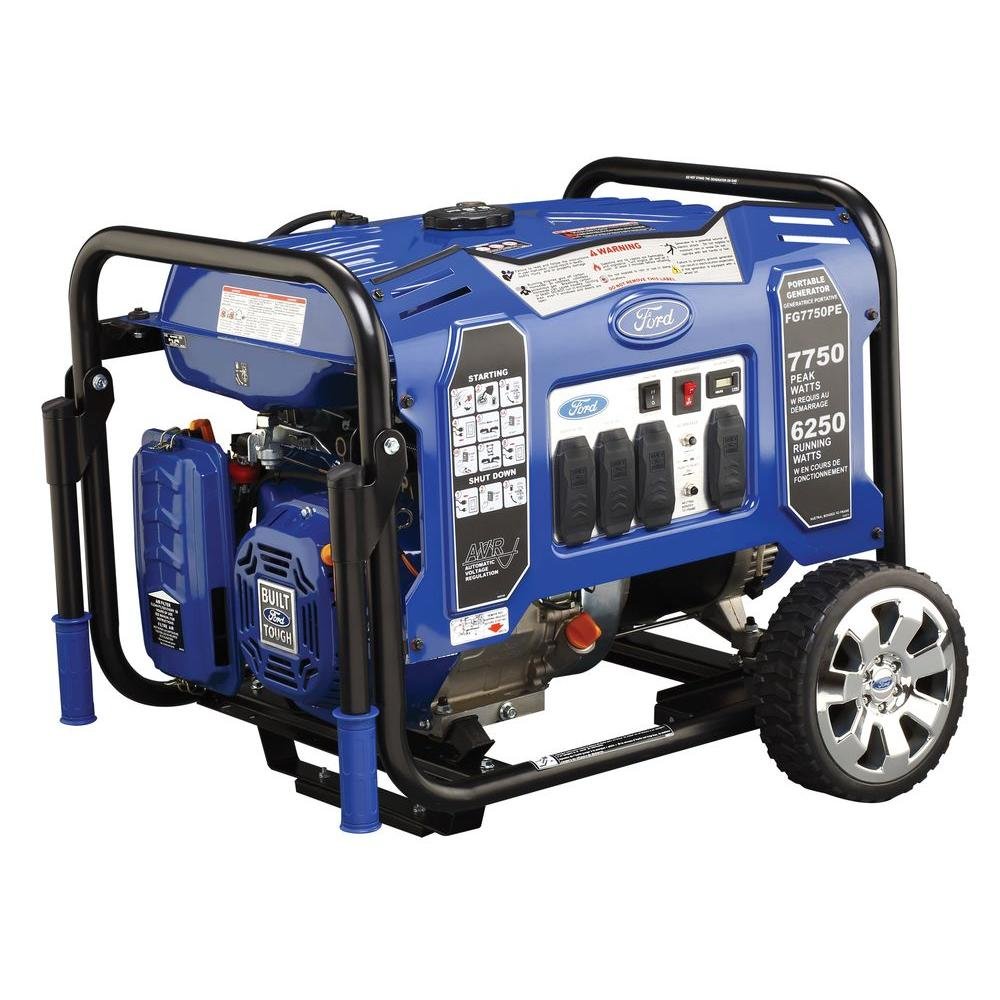
Facing a power outage can be stressful, but with the right generator, you can transform uncertainty into peace of mind. Home Depot offers a vast selection of generators, from small portable units for camping to robust whole-home systems. Making the best choice requires understanding your needs and the options available. This guide is your ultimate starting point, helping you navigate the world of generators at Home Depot to find the perfect power solution for your home or outdoor adventures.
Navigating Home Depot's Generator Aisle: Your Starting Point
Home Depot's extensive inventory means you'll find a generator for almost any situation. However, the sheer volume can be overwhelming without a clear direction. Before you even think about specific models, it’s crucial to understand the fundamental categories and their ideal applications. This foundational knowledge will empower you to filter through the noise and identify generators that genuinely meet your requirements. To get a head start on understanding the different power solutions available, you'll want to Discover generator types and uses. Explore how portable, inverter, standby, and even solar generators serve distinct purposes, from emergency home backup to remote job site power.
Understanding Generator Types and Key Features
Once you know the general type you need, a deeper dive into specific features becomes essential. This is where the details truly matter, influencing everything from convenience to long-term reliability. Home Depot carries a range of brands and models, each with a unique combination of characteristics.
Key features to consider include:
- Power Output Options: Generators are primarily defined by their wattage. Small portable models, typically offering 2,000–4,000 watts, are excellent for quick power needs like camping, tailgating, or running a few essential appliances. For more substantial backup, heavy-duty units can deliver 10,000–13,000 watts, potentially powering an entire home's critical circuits.
- Fuel Type Flexibility: Your fuel choice impacts availability, storage, and emissions. Dual-fuel generators, which run on both gasoline and propane, offer superb versatility, ensuring you have backup fuel options during extended outages. While gasoline is readily available, propane boasts a longer shelf life and cleaner burn. Diesel generators, less common for portable use, are known for efficiency and longevity.
- Noise Level Considerations: A generator's noise output, measured in decibels (dB), is crucial, especially in residential areas. Look for models under 70 dB to avoid disturbing neighbors; inverter generators are particularly noted for their quieter operation.
- Ease of Start: Modern generators often come with electric or remote start features, making activation effortless, even in cold weather. While reliable, manual pull-start models require more physical effort.
- Portability and Design: If you plan to move your generator frequently, prioritize models with features like foldable handles, never-flat wheels, and compact frames. Parallel capability allows you to link two smaller inverter units for greater power without sacrificing portability.
- Safety Features: Modern generators prioritize safety. Built-in Carbon Monoxide (CO) sensors and automatic shut-off systems are vital for preventing dangerous gas buildup. Low oil shut-off protects the engine from damage due to insufficient lubrication.
- Run Time and Efficiency: The duration a generator can run on a single tank of fuel is a significant factor during long outages. Models offering 8–12 hours of continuous power are highly desirable, influenced by fuel tank capacity and engine efficiency.
- Maintenance and Durability: Longevity comes from quality construction. Look for features like cast-iron sleeves or full metal frames, and consider models with hour meters that help you track essential maintenance intervals.
- Warranty and Support: A good warranty (typically 1-3 years) provides peace of mind. Review the manufacturer’s warranty alongside Home Depot’s return policy and consider extended protection plans.
Understanding these features is the first step towards a smart purchase. For a deeper dive into how to match these specs to your personal needs and make an informed decision at the store, check out our comprehensive Buying Guide: Choosing a Generator.
Sizing Your Generator: Powering Your Home's Needs
Choosing a generator isn't just about picking a popular model; it's about accurately matching its power output to your specific needs. An undersized generator will fail to power your essential items, while an oversized one wastes fuel and money. This critical step requires a bit of calculation and foresight.
Calculating Your Home's Power Requirements
To determine the ideal generator size for your home, you'll need to calculate your total power requirements systematically. This involves more than just listing appliances; it means accounting for their running and starting demands.
Here's how to approach it:
- List Essential Appliances: Begin by identifying all the appliances you absolutely need to power during an outage. This might include lights, refrigerators, freezers, a well pump, communication devices, and perhaps your HVAC system.
- Determine Wattage: Find the running wattage for each essential appliance (usually on its nameplate or in the manual). Sum these wattages to get your continuous power requirement.
- Consider Starting Wattage: Many motor-driven appliances, like refrigerators, sump pumps, or air conditioners, require a significant surge of power to start up – often 2-3 times their running wattage. You must account for the highest starting wattage of any single appliance you might start while others are running.
- Factor in Surge Capacity: Your chosen generator's surge capacity must be able to handle temporary power spikes that occur when multiple appliances kick on simultaneously.
- Consult a Sizing Guide or Professional: Don't hesitate to use manufacturer sizing guides or consult a qualified electrician or generator specialist. Their expertise can prevent costly mistakes.
- Consider Future Expansion: If you anticipate adding more appliances or expanding your home's power needs in the future, select a generator with a little extra capacity.
- Choose the Right Size: Select a generator with a rated continuous capacity that meets or exceeds your calculated running needs, and a surge capacity that can handle the largest starting load.
Sizing for AC Units
Air conditioning units are among the most power-hungry appliances in a home, making their inclusion a major factor in generator sizing. If you plan to power your AC, specific considerations come into play.
- Calculate Total Power Requirements: List all essential appliances plus the wattage of your AC unit(s). The AC's power consumption can usually be found on its nameplate or in the owner's manual.
- Determine AC Power Consumption: If your AC unit's capacity is listed in BTU/hr, convert it to watts (1 watt ≈ 3.412 BTU/hr). For example, a 12,000 BTU/hr unit requires approximately 3,514 watts to run.
- Account for Starting Surge: Critically, AC units demand significantly higher starting wattage than running wattage. This surge can be several times the running load and must be accommodated by your generator's surge capacity.
- Generator Capacity: Choose a generator with a capacity that comfortably exceeds this total combined load, ensuring it can handle both continuous operation and the significant starting surges of your AC and other appliances.
- Professional Consultation: For precise sizing, especially when integrating AC or other heavy loads, consulting an electrician or generator professional is highly recommended to ensure safe and efficient operation.
While a 22kW (22,000 watts) generator is often sufficient for medium to large homes, its adequacy truly depends on your specific appliances and lifestyle. Always compare the generator's continuous and surge capacity against your meticulously calculated consumption. Once you’ve determined the right size, you’ll want to review your specific wiring needs and learn about proper connections in our detailed Generator Installation & Setup Guides.
Beyond the Purchase: Installation, Maintenance, and Safe Operation
Buying a generator is just the first step. To ensure it performs reliably when you need it most, proper installation, diligent maintenance, and strict adherence to safety protocols are paramount. These practices extend the life of your investment and, more importantly, protect you and your loved ones.
Essential Tips for Portable Generator Use
Portable generators offer incredible flexibility, but they demand careful handling. Safe operation is non-negotiable to prevent accidents and ensure longevity.
Here are key tips for using your portable generator:
- Calculate Power Needs: Always accurately assess the wattage requirements of the devices you plan to power to prevent overloading the generator, which can damage both the unit and your appliances.
- Proper Ventilation: Generators emit carbon monoxide, an odorless and colorless gas that can be fatal. Always operate generators outdoors in well-ventilated areas, far away from windows, doors, and vents of any structures. Never run a generator in a garage, even with the door open.
- Grounding: Properly ground your generator to prevent electrical shock. Consult your owner’s manual for specific instructions on how to do this safely.
- Fuel Safety: Gasoline is highly flammable. Allow the generator to cool completely before refueling. Store fuel in approved, clearly labeled containers, away from ignition sources and out of reach of children. Never store fuel inside your home.
- Regular Maintenance: Just like a car, your generator needs routine care. Perform oil changes, air filter cleaning, and spark plug replacements as recommended by the manufacturer. An hour meter helps track these intervals.
- Dry Run Testing: Don't wait for an emergency to discover issues. Periodically test your generator by starting it and letting it run for a short period under a light load (e.g., a few lights). This ensures it functions correctly and keeps the engine lubricated.
By following these guidelines, you'll maximize the safety and efficiency of your generator. For comprehensive advice on keeping your unit in top condition, you'll find invaluable resources when you Keep your generator running smoothly. Furthermore, to solidify your understanding of crucial safety measures and operational best practices, take the time to Master Generator Safety & Operation.
Making the Right Choice: Your Path to Power Security
Investing in a generator from Home Depot is an investment in your peace of mind. By taking the time to understand the different types, carefully calculating your power needs, and committing to proper maintenance and safe operation, you ensure that you’re prepared for whatever comes your way. Each step, from research to routine checks, contributes to reliable power when it matters most.
Whether you're safeguarding your family during an emergency or simply enhancing your outdoor leisure, the right generator is within reach. Use the comprehensive resources linked throughout this guide to make an informed decision and enjoy the security of reliable power.