Power outages, whether due to a sudden storm or an unexpected grid issue, can plunge life into inconvenient darkness. For businesses, they can mean lost revenue and critical data. That's why understanding the types of generators and their uses is more than just technical knowledge; it's about securing peace of mind and ensuring continuity, no matter what the world throws your way.
From powering your entire home automatically to keeping your phone charged on a camping trip, generators come in a surprising array of forms, each designed for specific needs and scenarios. Choosing the right one isn't just about buying a machine; it's about investing in reliability, safety, and the comfort of uninterrupted power.
At a Glance: Your Quick Guide to Generators
- Generators convert mechanical energy into electricity, acting as crucial backup power.
- Standby Generators offer automatic, whole-home power during outages, ideal for frequent disruptions.
- Portable Generators are versatile and affordable for smaller backup needs, camping, or job sites.
- Inverter Generators provide quiet, clean power for sensitive electronics and offer better fuel efficiency.
- Industrial Generators are robust powerhouses for large-scale operations and harsh environments.
- Fuel Types (gasoline, natural gas, diesel, propane, solar, hydrogen) heavily influence cost, emissions, and performance.
- Safety is paramount: Never operate generators indoors, ensure proper ventilation, and use carbon monoxide detectors.
- Choosing the right generator involves weighing power needs, budget, noise, fuel type, and intended use.
Why Generators Matter: Powering Your World, Uninterrupted
Imagine a hospital without power, a restaurant with food spoiling, or a family stuck in a winter storm without heat. Generators aren't just a convenience; they're essential tools for safety, comfort, and productivity. They provide that critical bridge of electricity when the grid fails, ensuring everything from basic lighting and refrigeration to life-sustaining medical equipment continues to function. This uninterrupted power supply offers immense peace of mind, allowing homes and businesses to weather disruptions with minimal impact.
Understanding the Core: How Generators Make Electricity
At its heart, a generator is a marvel of engineering that turns raw mechanical motion into usable electrical current. It operates on the principle of electromagnetic induction. Think of it like this: a powerful, fuel-driven engine spins a rotor—a part packed with magnets or coils—within a stationary set of coils (the stator). This motion creates a fluctuating magnetic field, which, in turn, induces an electrical current in the stator's coils.
Key components working in harmony include:
- The Engine: The powerhouse that converts fuel into mechanical energy.
- The Alternator: Where the magic of electromagnetic induction happens, converting mechanical energy into AC electricity.
- Fuel System: Stores and delivers fuel to the engine.
- Voltage Regulator: Ensures a steady, safe output voltage.
- Control Panel: Your interface for monitoring and operating the generator.
Now that we know the basics, let's explore the diverse world of generators themselves.
Main Types of Generators: Finding Your Perfect Match
Generators are broadly categorized by their design, mobility, and primary application. Understanding these fundamental differences is the first step in making an informed choice.
The Set-and-Forget Solution: Standby Generators
When the lights go out, a standby generator springs to life, often without you even lifting a finger. These large, permanent installations are designed to automatically detect a power outage, switch on, and restore electricity to your entire home—lights, air conditioning, appliances, and all. They're typically bigger than an outdoor air conditioning unit and permanently connected to your home's electrical system, usually running on natural gas or propane.
Best for: Homes in areas with frequent or prolonged power outages, ensuring continuous comfort and safety.
Considerations: Higher upfront cost (including professional installation), requires regular maintenance. They offer unparalleled convenience and peace of mind, especially for families or those reliant on critical medical equipment.
Power on the Go: Portable Generators
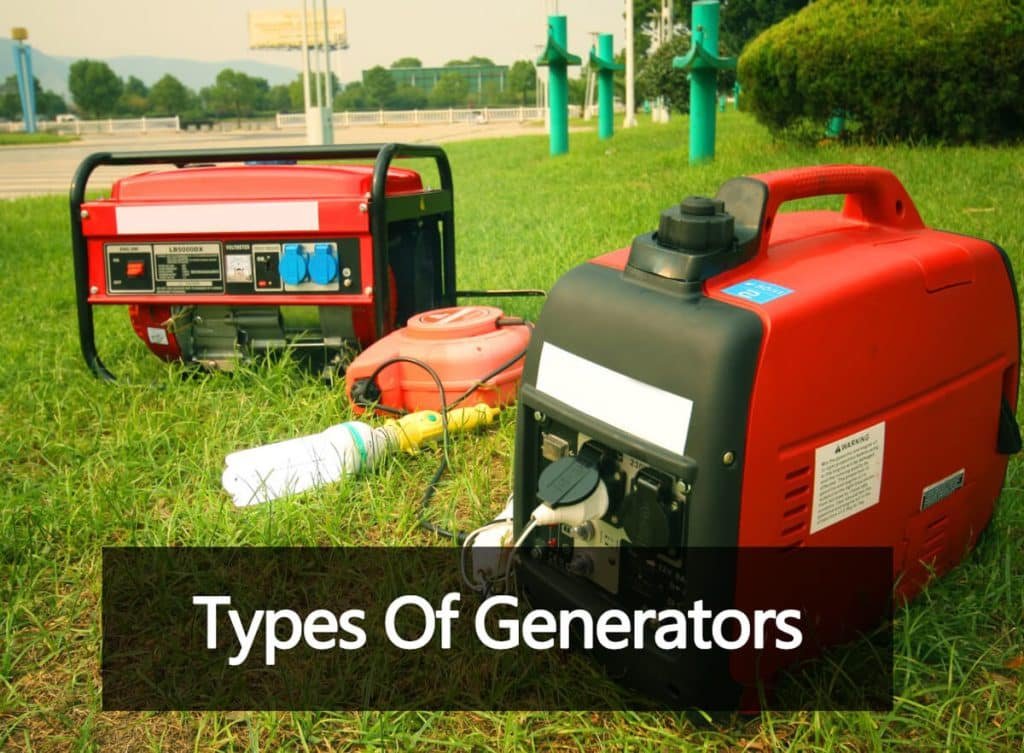
As their name suggests, portable generators offer flexibility and mobility. These compact, fuel-powered devices are generally smaller and more lightweight than standby units, making them easy to transport to various locations. Typically running on gasoline, their power output ranges from 1,000 to 10,000 watts, making them suitable for powering a few essential appliances, charging devices, or running power tools.
Best for: Camping trips, tailgating, small emergency backup needs, powering tools at remote job sites, or during outdoor events.
Considerations: Not designed to power an entire house or a large construction site. Requires manual setup and fueling.
Quiet & Clean Power: Inverter Generators
Inverter generators represent a significant leap forward in generator technology. They use a sophisticated electronic process to produce "clean" or "pure sine wave" power, which is crucial for sensitive electronics like laptops, smartphones, and medical devices. Unlike conventional generators, inverters adjust their engine speed based on the power demand, making them significantly quieter and more fuel-efficient.
Best for: Powering sensitive electronics, RVs, camping (where quiet operation is valued), and situations where fuel efficiency is a priority.
Considerations: Generally more expensive than conventional portable generators of similar wattage, but the benefits in noise reduction and fuel savings often outweigh the cost.
Heavy-Duty Powerhouses: Industrial Generators
When you need serious, unyielding power for large-scale operations, industrial generators step up. These aren't just bigger versions of home generators; they're engineered for extreme durability and continuous operation in demanding environments. Often requiring specialized transport like cranes or forklifts, they can produce up to two megawatts of power, capable of sustaining entire factories, data centers, or critical infrastructure.
Best for: Powering chemical plants, oil well sites, large commercial buildings, hospitals, and major construction projects where robust, reliable power is non-negotiable.
Considerations: Extremely high purchase and installation costs. Renting is a common, cost-effective solution for temporary large-scale needs.
Specialized Industrial Power: Induction Generators
Induction generators are a bit different. Instead of generating power independently like most generators, they require an external source of mechanical energy to spin their rotor, creating electromagnetic fields at varying speeds. While they are simple in design and low-maintenance, their output wattage can be unstable due to speed variances, making them unsuitable for home use where stable power is critical.
Best for: Harnessing power from large, consistent mechanical energy sources, such as wind turbines, mini hydro plants, or other renewable energy systems where the grid can absorb or stabilize the fluctuating output.
Considerations: Cannot operate independently; require connection to an electrical grid or a dedicated load for stable operation.
Fueling Your Power: A Look at Generator Fuel Types
Beyond the core design, the type of fuel a generator uses profoundly impacts its cost, environmental footprint, performance, and overall convenience.
The Common Choice: Gasoline Generators
Gasoline generators are widely popular due to their initial affordability. They are easy to find and operate, making them a go-to for many portable generator users.
Best for: Construction sites on a budget with short-term projects, recreational use, or light-duty emergency backup.
Considerations: Gasoline has a shorter shelf life and can be less reliable during widespread outages if gas stations lack power. Higher long-term fuel costs compared to diesel.
Reliable & Readily Available: Natural Gas Generators
Natural gas generators offer the distinct advantage of a direct pipeline connection, meaning they never need refueling. This makes them exceptionally reliable during extended power outages. They also produce lower emissions than gasoline or diesel alternatives.
Best for: Standby generators for homes and businesses where environmental impact and continuous operation during outages are priorities.
Considerations: Higher initial installation costs due to the need for professional connection to a gas pipeline.
Long-Lasting Performance: Diesel Generators
Initially more expensive than gasoline models, diesel generators often prove more cost-effective in the long run due due to lower diesel fuel costs and superior fuel efficiency. They are known for their durability and robust performance, especially in demanding applications.
Best for: Construction teams working on long-term projects, industrial operations, or in colder climates where winter diesel fuel prevents freezing.
Considerations: Like gasoline, diesel pumps may stop working during widespread power outages, making fuel accessibility an issue.
Greener Options for Diesel: Biodiesel & Emulsified Diesel Generators
For those seeking the benefits of diesel power with a reduced environmental footprint, these options are gaining traction.
- Biodiesel Generators: Run on a blend of diesel and renewable components like vegetable oil or animal fat, significantly reducing reliance on non-renewable fossil fuels and lowering emissions.
- Emulsified Diesel Generators: Use a mixture of diesel and water, further enhancing their environmental friendliness by achieving even lower emissions than pure biodiesel.
Best for: Environmentally conscious construction teams or industrial users who need robust power but prioritize reduced emissions.
Considerations: Similar to conventional diesel, fuel accessibility during outages can be a concern.
Cold-Weather Hero: Propane Generators
Propane generators are highly reliable because propane is easily stored, has a long shelf life, and performs exceptionally well in cold weather. It's also often available even when gasoline is scarce during widespread outages.
Best for: Standby generators (often dual-fuel with natural gas), remote cabins, or emergency backup in cold climates where higher fuel costs are acceptable.
Considerations: Propane burns about three times faster than diesel, making it a more costly fuel option for continuous use. It also requires careful handling due to its flammability.
Eco-Friendly & Silent: Solar Generators
Harnessing the sun's power, solar generators convert sunlight into electricity, typically storing it in onboard batteries. They are the epitome of eco-friendliness, producing zero emissions and running silently. Many options, like the powerful generators at Home Depot, offer integrated solar charging capabilities.
Best for: Eco-friendly construction sites needing a non-emergency power source, off-grid cabins, silent power for camping, or applications where indoor use is essential.
Considerations: High initial cost. Reliability can be an issue for emergency use if power is needed at night or during prolonged cloudy periods when sunlight is unavailable.
The Future is Green: Hydrogen Generators
Hydrogen generators represent the cutting edge of clean power. They convert water into hydrogen gas through electrolysis, which is then burned (or used in a fuel cell) to produce electricity. They are remarkably sturdy, incredibly eco-friendly (producing only water vapor as a byproduct), and boast a higher energy density per pound than any other fuel.
Best for: Pioneering eco-friendly construction teams looking to cut electricity costs long-term, or for those in need of an incredibly reliable, zero-emission emergency power source.
Considerations: Currently difficult to find and very expensive initially, though costs are expected to decrease as technology advances.
Choosing Your Ideal Generator: Key Questions to Ask
With so many options, how do you narrow down the field? It comes down to understanding your specific needs.
What's Your Power Need? (Wattage Matters)
This is the foundational question. What exactly do you want to power?
- Whole Home/Critical Infrastructure: You'll need a standby generator, typically ranging from 10,000 to 22,000+ watts for residential, and much more for industrial. List all your essential appliances (fridge, furnace, well pump, AC) and calculate their combined running and starting wattage.
- Essential Appliances/Limited Backup: A portable generator (3,000-7,500 watts) might suffice for lights, a refrigerator, and a few small electronics.
- Sensitive Electronics/Camping: An inverter generator (1,000-4,000 watts) is ideal for laptops, medical devices, or just a few small appliances while enjoying the outdoors.
- Heavy Tools/Multiple Devices: For a job site, consider a higher-wattage portable or industrial generator, depending on the scale.
Where Will You Use It? (Location & Portability)
- Permanent Installation: A standby generator is designed to stay put.
- Mobile Needs: If you need power for camping, tailgating, or different job sites, portability is key. Look for models with wheels and handles.
- Indoor Use: Solar generators are the only safe option for indoor operation due to zero emissions. Never run a fuel-powered generator indoors.
What's Your Budget? (Upfront vs. Long-Term Costs)
Generators have a range of costs:
- Initial Purchase: Portable generators are the most affordable upfront. Standby, industrial, solar, and hydrogen generators come with significantly higher price tags.
- Installation: Standby and natural gas generators require professional installation, adding to the initial cost.
- Fuel Costs: Consider the ongoing cost and availability of gasoline, diesel, propane, or natural gas in your area. Solar and hydrogen have no ongoing fuel costs.
- Maintenance: All generators require regular maintenance to ensure reliability, which is an ongoing expense.
How Important is Noise & Emissions?
- Noise: Inverter generators are by far the quietest. Traditional portable and industrial generators can be very loud. If you have close neighbors or plan to use it recreationally, noise is a major factor.
- Emissions: Solar and hydrogen generators produce zero emissions. Natural gas and propane are cleaner than gasoline and diesel, while biodiesel and emulsified diesel offer greener alternatives to traditional diesel.
Fuel Availability & Storage
- Propane: Easy to store in tanks, long shelf life, readily available.
- Natural Gas: Direct pipeline connection eliminates refueling worries.
- Gasoline/Diesel: Requires careful storage, limited shelf life for gasoline, accessibility issues during widespread outages.
- Solar: Relies on sunlight, no storage issues but weather-dependent.
- Hydrogen: Currently niche, storage infrastructure developing.
Generator Safety & Installation: Keeping You and Your Property Secure
No matter what type of generator you choose, safety must be your top priority. Improper use or installation can lead to severe hazards like carbon monoxide poisoning, electrical fires, or electrocution.
- Professional Installation is Key: For standby generators, or any generator meant to be connected directly to your home's electrical system, always hire a licensed electrician. They will ensure proper grounding, install a transfer switch (to prevent backfeeding the grid and endangering utility workers), and adhere to all local codes.
- Ventilation, Ventilation, Ventilation: NEVER operate a generator indoors, in a garage, basement, or any enclosed space. Generators produce carbon monoxide (CO), an odorless, colorless, deadly gas. Always operate generators outdoors, far away from windows, doors, and vents that could allow fumes to enter your home.
- Carbon Monoxide Detectors: Install battery-operated CO detectors on every level of your home, especially near sleeping areas, and check them regularly.
- Proper Fuel Handling: Store fuel in approved containers, away from living areas and heat sources. Never refuel a hot or running generator.
- Stay Dry: Never operate a generator in wet conditions unless it's specifically designed for all-weather outdoor use. Use dry hands when operating the control panel.
- Extension Cords: Use heavy-duty, outdoor-rated extension cords that are appropriate for the generator's output and the appliances you're powering. Ensure cords are in good condition and not frayed.
- Regular Maintenance: Follow the manufacturer's maintenance schedule. Regular checks, oil changes, and filter replacements ensure reliable performance and prolong the generator's life.
For temporary power needs, especially on job sites or for events, consider renting a generator from a reputable provider. They can help you select the right size and ensure it's safely set up.
Beyond the Purchase: Maintenance and Longevity
Your generator is an investment in uninterrupted power, and like any investment, it requires care. Regular maintenance is not just about extending its lifespan; it's about ensuring it will reliably start and perform when you need it most. This includes routine oil changes, spark plug replacements, air filter checks, and testing the unit periodically, especially for standby generators. Keeping your generator clean and stored properly will also go a long way in ensuring its readiness.
The Right Power, When You Need It Most
Choosing the right generator means empowering yourself with the confidence that comes from being prepared. Whether you're safeguarding your home, keeping a business operational, or enjoying the great outdoors, there's a generator type specifically designed for your needs. By carefully considering your power requirements, budget, desired features, and commitment to safety, you can select a solution that provides dependable, uninterrupted power for years to come.